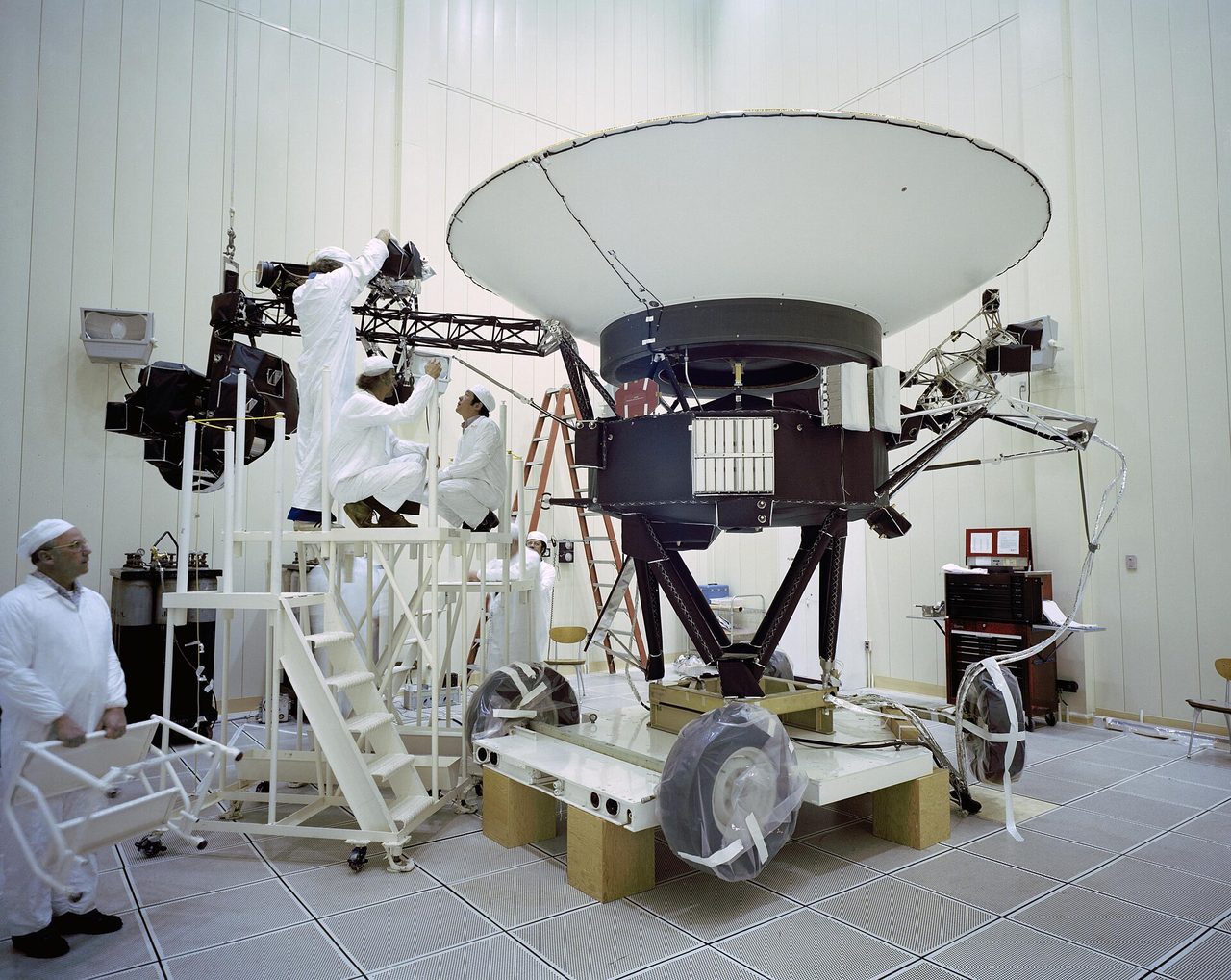
NASA's Jet Propulsion Laboratory says Voyager 1 should be 25.89 billion kilometres (16.09 billion miles) from Earth on 18 November, the distance light travels in one day. A radio command will then take 24 hours to arrive and the reply another 24 to come back.
The spacecraft launched in 1977. In early September, engineers turned off three devices and replaced them with lower-power ones, a step they nicknamed the Big Bang. Without it, another science instrument would have had to be switched off by summer 2027. Two have already been turned off in recent years.
On 18 and 19 October, two attempts to hear from Voyager 1 found no signal. It returned on 20 October. One set of thrusters had gone offline and the backups had switched on by themselves, leaving the spacecraft stable. The cause is still being investigated.
Our subject page for engineering and technology lists routes that fund a master's or PhD in fields like this one.