The 2026 Lasker Awards honour the discovery of the brain's wakefulness signal, a new kind of medicine for the bleeding disorder haemophilia A, and more than two decades of work for people with Parkinson's disease.
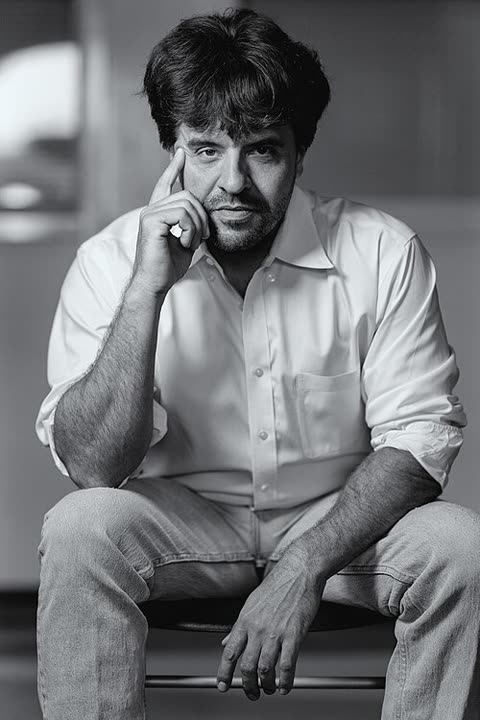
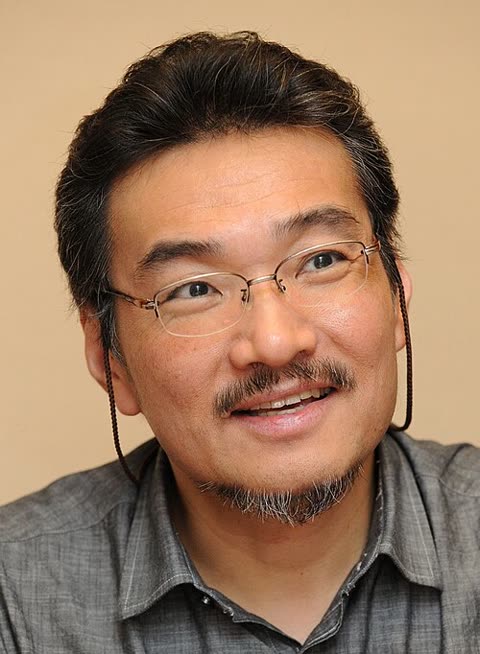
The basic medical research award goes to Emmanuel Mignot of Stanford University and Masashi Yanagisawa of the University of Tsukuba in Japan. They identified orexin, a small protein made in the brain that keeps us awake, and showed that losing it causes narcolepsy, in which people fall asleep uncontrollably. Several insomnia drugs now work by blocking orexin's receptors, and a drug that activates one of those receptors is in late-stage development as a treatment for narcolepsy.
The clinical research award goes to Kunihiro Hattori, Tomoyuki Igawa and Takehisa Kitazawa of Chugai Pharmaceutical in Tokyo. People with haemophilia A lack a working clotting protein, Factor VIII. The three designed an antibody with two arms, emicizumab (sold as Hemlibra), that holds two other clotting factors together and so does Factor VIII's job. In 2017 it became the first antibody of its kind approved as a treatment by the US Food and Drug Administration. It is now approved in more than 120 countries, has helped more than 30,000 people, and has all but stopped bleeding for patients, including those whose immune systems attack replacement Factor VIII.
The public service award goes to the actor Michael J. Fox. He learned he had Parkinson's disease in 1990, at the age of 29, made it public in 1998, and in 2000 launched the Michael J. Fox Foundation for Parkinson's Research. The foundation has given US$3 billion in research grants, is the largest non-profit funder of Parkinson's research in the world, and helps recruit volunteers for clinical trials.
Much of the medical research behind awards like these is done by PhD students. Our guide to how funded PhDs work in Europe explains how to find a salaried post.