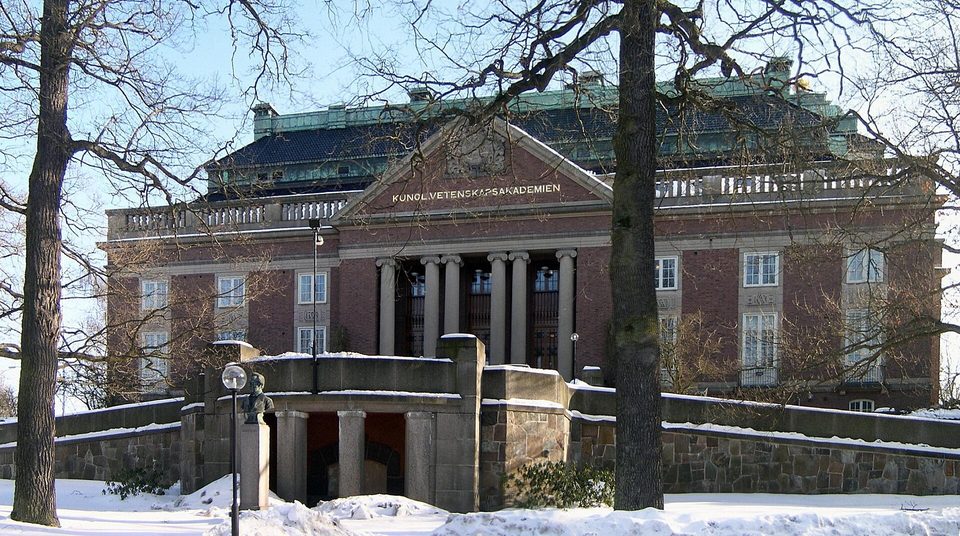
The Royal Swedish Academy of Sciences has awarded the 2026 Sveriges Riksbank Prize in Economic Sciences in Memory of Alfred Nobel to Robert E. Hall of Stanford University and Michael Woodford of Columbia University "for microeconomic foundations of macroeconomic stabilisation". The academy announced the prize in Stockholm on 12 October.
Economies move through downturns and upturns, and ever since John Maynard Keynes, governments and central banks have tried to even them out: cutting interest rates and running larger budget deficits in a recession, and doing the opposite when an economy overheats. During the oil crises of the 1970s the models behind those decisions stopped working. Instead of bringing unemployment down, policy fed inflation, and many economists concluded that stabilisation policy did more harm than good.
Hall and Woodford showed how to rebuild those models. Rather than resting on statistical links between figures such as inflation, output and consumption, their models start from how individual households and businesses behave and add those decisions up to the level of the whole economy. A central part is that households and firms look ahead when they decide how much to save or what prices to set.
That forward-looking behaviour gives policy another lever: when a government or central bank explains its plans, it changes what people expect, and that alone can move the economy in the right direction. The prize committee says models built on this foundation are now used by central banks and governments around the world, and have helped them deal with recent downturns.
The economics prize is the last of this year's Nobel announcements. For students drawn to the field, our guide to fully funded study in business and economics lists routes that pay for a master's or PhD.